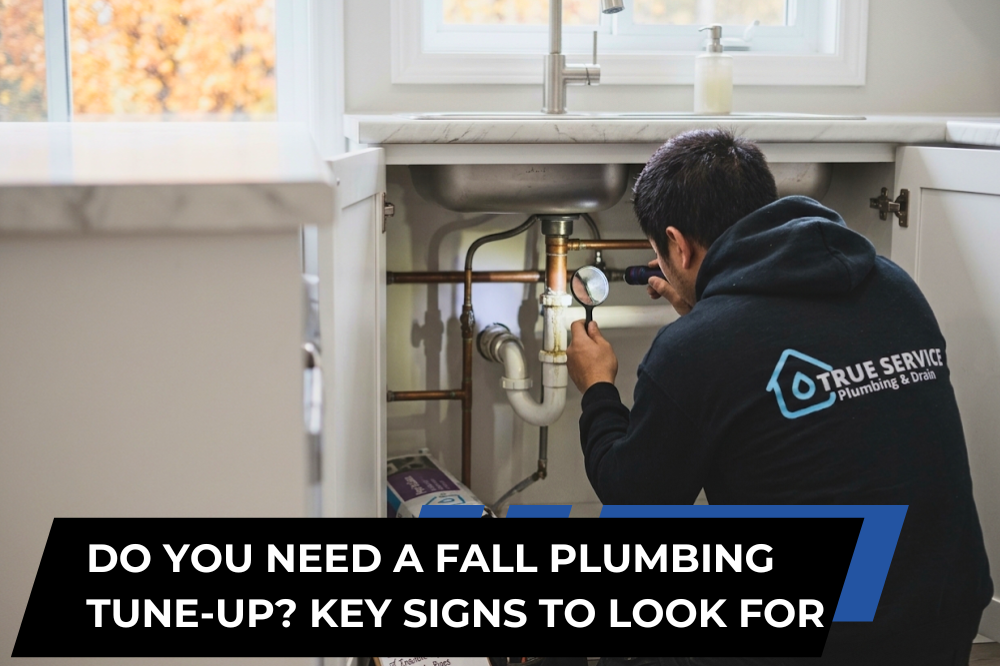
A fall plumbing tune up can help you spot leaks, prepare outdoor fixtures, and identify problems before winter arrives.
However, every home has different needs.
A recently inspected property may only need a few seasonal checks, while a home with recurring leaks or frozen pipes deserves closer attention.
For Toronto and GTA homeowners, the goal is simple: understand what needs attention and take care of it before freezing weather complicates the job.
So, where should you start?
Here is what seasonal maintenance involves, when professional help makes sense, and which checks you can handle yourself.
What Does Seasonal Plumbing Maintenance Include?
A plumbing tune up usually combines an inspection with selected maintenance tasks.
However, the term does not describe a universal service package, so always ask what the appointment includes.
A plumber might inspect accessible pipes, check fixtures for leaks, assess shutoff valves, and review equipment such as your water heater or sump pump.
Meanwhile, repairs and specialized testing may cost extra.
Think of the visit in three parts:
- Inspection: Find visible damage, leaks, drainage concerns, and signs of wear.
- Maintenance: Complete suitable preventive tasks based on the equipment and manufacturer’s instructions.
- Repairs: Fix identified problems after you review and approve the proposed work.
Before booking, request a clear description of the service. That way, you can compare quotes and understand what you are paying for.
Does Your Home Need a Professional Visit?
Start with your home’s history. Have pipes frozen before? Does your basement get damp? Have you put off fixing a dripping outdoor faucet?
If so, fall provides a useful opportunity to investigate those concerns.
Homes With Previous Winter Problems
A pipe that froze last winter may remain vulnerable this year.
Therefore, ask a plumber to assess the cause, including cold drafts, inadequate heating, or pipe placement.
Although insulation can help reduce heat loss, it cannot guarantee protection in an unheated space.
Similarly, a recurring winter leak deserves attention before another cold spell.
Fixing the visible damage without addressing the underlying exposure can leave the problem unresolved.
Older Homes and Unfamiliar Systems
An older home may contain aging valves, past repairs, and plumbing hidden behind finished walls.
However, age alone does not mean the system needs replacement.
Instead, focus on condition and maintenance history.
If you recently bought your property, an inspection can also help you locate shutoff valves and understand unfamiliar equipment.
As a result, you will know where to act if a leak develops.
Recently Inspected Properties
If a plumber recently completed a thorough inspection, you may not need another full appointment immediately.
Nevertheless, review the findings and finish any outstanding repairs.
You should also prepare outdoor fixtures, since a recent indoor inspection does not automatically cover winterization.
Start Outside: Prepare Faucets and Hoses
Outdoor plumbing deserves early attention because exposed fixtures face falling temperatures directly.
First, disconnect garden hoses and drain them before storage.
For outdoor lines with a separate interior shutoff, follow the appropriate shutoff and draining procedure for that installation.
The City of Toronto recommends disconnecting outdoor hoses, shutting off the outdoor supply where a separate valve exists, and opening outdoor taps to drain remaining water.
However, faucet designs vary. If you cannot identify the correct valve or draining method, ask a plumber for help.
Do Frost-Free Faucets Still Need Attention?
Yes. A frost-free design relies on proper installation and drainage.
Consequently, you should still remove attached hoses and accessories and follow the manufacturer’s winter instructions.
Leaving a hose connected can interfere with drainage.
Also, watch for dripping, loose mounting, or dampness around the wall penetration.
These symptoms deserve assessment before freezing weather arrives.
Check Pipes, Leaks, and Shutoff Valves
Next, move indoors and inspect accessible plumbing.
Bring a flashlight and look under sinks, around toilets, and near washing machines.
You do not need to dismantle anything to spot useful warning signs.
Look for Moisture and Changes in Condition
Check for:
- Damp cabinet floors or soft wood.
- Water stains beneath pipe connections.
- Drips around supply lines.
- Moisture near the base of a toilet.
- New corrosion or mineral buildup around fittings.
- Musty smells that keep returning.
However, a stain does not always indicate an active plumbing leak.
Condensation or an older spill may explain it, so investigate the source before deciding on repairs.
If moisture returns after you dry the area, arrange an assessment.
Locate Your Main Water Shutoff
Knowing how to stop the water supply can help limit damage during a leak.
Therefore, make sure household members know where the main shutoff sits and can reach it quickly.
Keep stored boxes and furniture clear of the area.
If a valve looks damaged, leaks, or resists normal operation, avoid forcing it. Instead, have a plumber check whether it needs service or replacement.
Review Cold Areas
Pay attention to accessible pipes near exterior walls, garages, and crawl spaces.
Look for missing insulation and noticeable drafts.
However, avoid blocking ventilation openings or altering building components without understanding their purpose.
For repeated freezing problems, ask for a broader assessment of heating, air leakage, and pipe routing.
Give Your Water Heater a Visual Check
Hot water problems disrupt showers, laundry, and everyday cleaning. Therefore, include the water heater in your seasonal review.
Look for visible leaks, rust, and changes in performance.
For example, hot water that runs out sooner than usual may warrant investigation.
Also, note any unusual sounds or recurring error messages.
Maintenance depends on the heater’s type, age, condition, and manufacturer’s requirements.
Consequently, flushing should not become an automatic task for every appliance.
Ask your plumber which maintenance applies to your unit and whether it is due.
Meanwhile, leave gas connections, electrical components, and safety devices to appropriately qualified professionals.
Test Your Sump Pump and Review Drainage
If your home has a sump pump, include it in your fall checks.
The Government of Canada identifies float problems, poor maintenance, and discharge issues among the reasons pumps can fail.
Therefore, checking the whole system matters.
Follow the manufacturer’s testing instructions and confirm that the pump activates and moves water out of the pit.
If you cannot test it safely, arrange professional service.
Also, inspect the accessible discharge route.
Water needs a clear path away from the foundation without creating problems for neighbouring properties.
Because exposed discharge arrangements can freeze, ask how your specific installation should operate through winter.
Avoid disconnecting or changing components without confirming the correct setup.
If you have backup equipment, check its condition according to its instructions as well.
Address Recurring Drain Problems
A slow sink does not automatically require a sewer camera inspection.
However, recurring symptoms deserve more than repeated temporary fixes.
Watch for several fixtures draining slowly, repeated backups, persistent gurgling, or sewage odours.
Then, tell your plumber when the symptoms occur and which fixtures they affect.
These details help guide the investigation.
Depending on the findings, the next step might involve clearing a blockage, checking a venting issue, or inspecting a drain with a camera.
However, every home does not need routine drain cleaning simply because fall has arrived.
Request a recommendation based on symptoms, history, and inspection findings.
If sewage backs up, stop using affected fixtures and seek prompt plumbing assistance.
When Should You Book Seasonal Maintenance?
Arrange outdoor preparation before freezing temperatures arrive.
In Toronto and the GTA, watching the forecast is more useful than relying on one fixed calendar date.
Ideally, leave enough time to complete any recommended repairs before cold weather settles in.
However, active problems should take priority over seasonal scheduling.
A spreading leak, failed sump pump, sewage backup, or sudden loss of water needs prompt attention.
If you plan to leave home during winter, discuss your setup before travelling.
Heating systems, water supplies, appliances, and insurance requirements can affect the preparation you need.
For example, some systems depend on a water supply.
Therefore, ask for property-specific advice before shutting off water or draining equipment.
What Can You Do Yourself?
You can complete several useful checks without specialized tools:
- Disconnect and store garden hoses.
- Look for visible leaks and water stains.
- Locate the main shutoff.
- Check accessible pipe insulation.
- Record changes in drainage or hot water.
- Follow the sump pump manufacturer’s safe testing instructions.
However, call a plumber for seized valves, recurring leaks, repeated freezing, or equipment faults.
Also, avoid taking apart unfamiliar fixtures simply to finish a checklist.
A useful inspection identifies concerns and helps you choose the next step.
Before the appointment, photograph visible symptoms and write down when they occur.
As a result, you can explain intermittent problems more clearly.
How Much Does a Plumbing Tune Up Cost?
The cost of a plumbing tune up depends on the service scope, property size, equipment, and any additional work.
For example, a visual inspection differs from an appointment that includes outdoor winterization, equipment maintenance, and diagnostic testing.
Therefore, ask for a written explanation of what the quoted price covers.
Useful questions include:
- Does the price cover inspection only?
- Which maintenance tasks are included?
- Will you quote repairs before starting?
- Do parts or diagnostic tests cost extra?
- Will I receive a summary of the findings?
Also, ask the plumber to explain priorities.
Separating urgent repairs from routine recommendations helps you plan spending around your home’s actual needs.
Is Preventive Care Worth It?
Seasonal maintenance can help identify existing problems and prepare vulnerable plumbing.
However, no inspection can guarantee that your home will avoid every leak or frozen pipe.
The value comes from making informed decisions.
For example, finding a leaking shutoff before an emergency gives you time to arrange a repair.
Similarly, identifying an exposed pipe helps you address its freezing risk.
If your system works well and has a recent maintenance history, a few targeted checks may be enough.
Conversely, unresolved symptoms or past winter damage make professional assessment more useful.
Start with what you know, investigate what has changed, and prioritize the problems that could cause the most disruption.
Prepare for Winter With True Service Plumbing
When you need help preparing your property for colder weather, True Service Plumbing provides residential and commercial plumbing services throughout Toronto and the surrounding GTA.
Whether you have a leaking outdoor faucet, a recurring drain problem, or concerns about your sump pump, our team can assess the issue and explain the next steps.
Ready to discuss a fall plumbing tune up?
Contact True Service Plumbing for more information or assistance with seasonal maintenance and related repairs.
Let us help you prepare your plumbing for the months ahead.