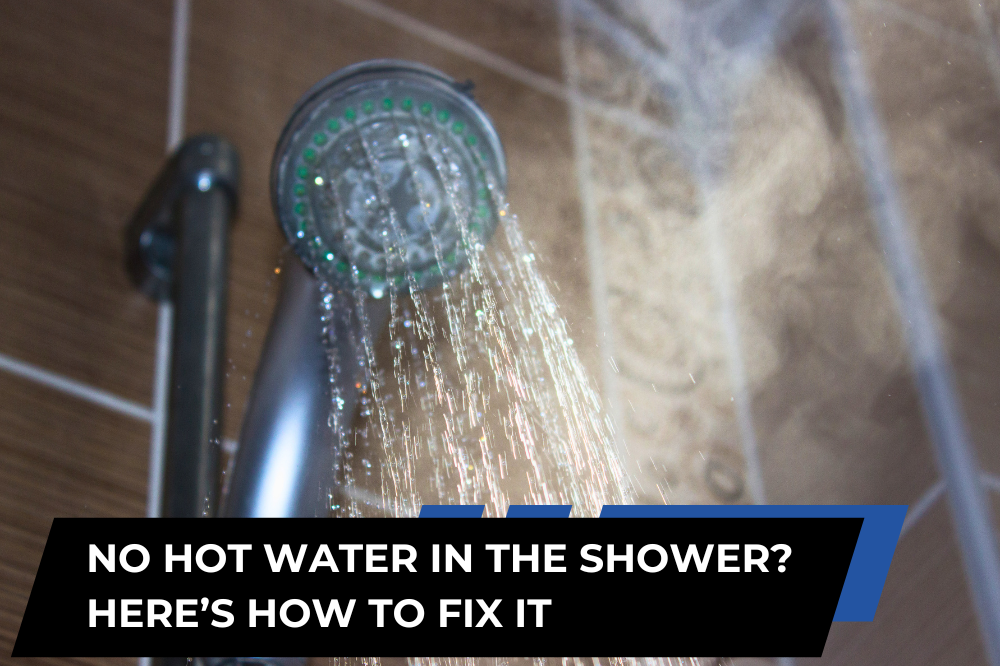
For homeowners searching for no hot water in shower solutions, the first step is to check whether the problem affects one fixture or the whole home.
Before you assume your water heater has failed, take a moment to look at the symptoms. If your bathroom sink still produces hot water, the problem may be limited to the shower fixture.
However, if every faucet runs cold, the cause may involve the water heater or your home’s wider hot water supply.
The good news is that a few simple observations can help you narrow down the possibilities.
In this guide, you’ll learn what to check first, which problems commonly affect shower temperature, and when it makes sense to contact a licensed plumber.
First, Check Whether the Problem Is Only in Your Shower
Start by comparing the shower with other taps in your home. Run the hot side of a nearby sink for a short time and see whether the water warms up.
Be careful when testing water temperature, and avoid touching water that may be scalding.
Your sinks have hot water, but the shower does not
When other faucets deliver hot water normally, the water heater is probably producing hot water. That makes a problem at the shower more likely.
A worn cartridge, a faulty mixing valve, or a temperature limit setting may stop the shower from reaching a comfortable temperature.
No taps have hot water
If the kitchen sink, bathroom sinks, and shower all run cold, look beyond the shower itself.
The water heater may have lost power, shut down, or developed a fault. A problem with the hot water supply can also affect several fixtures.
Check for obvious signs, such as a display error, without opening panels or handling electrical or gas components.
The water gets warm, then turns cold
If the shower starts hot but cools down quickly, the system may be running out of stored hot water. Heavy use elsewhere in the home can contribute.
However, a heating problem, an issue with the water heater’s capacity, or a faulty temperature-control component may also be responsible.
These symptoms are useful clues, not a final diagnosis. Still, identifying which fixtures are affected can help a plumber focus the inspection.
What Causes a Shower to Lose Hot Water?
Several plumbing issues can produce similar symptoms.
Here are common possibilities and how they affect your shower:
1. A Worn Or Faulty Shower Cartridge
A shower cartridge helps regulate the flow and mixture of hot and cold water.
Over time, internal parts can wear out or become obstructed by debris or mineral deposits.
When that happens, the handle may move normally even though the water stays lukewarm or cold.
A cartridge problem is especially worth investigating when only one shower is affected.
The correct replacement depends on the make and model of the fixture, so identifying the part before buying a replacement matters.
2. A Malfunctioning Mixing Or Pressure-Balancing Valve
The mixing valve combines hot and cold water to deliver the temperature you select.
Some shower valves also respond to changes in water pressure to help reduce sudden temperature swings.
If a valve sticks, wears out, or stops regulating properly, the shower may become too cold or fluctuate unexpectedly.
Because these components sit inside the plumbing assembly, a plumber may need to test the valve and identify the compatible repair parts.
3. A Temperature Limit Stop That Restricts The Handle
Many shower controls include a temperature limit stop designed to prevent the handle from turning too far toward hot.
If the setting is too restrictive, the shower may never reach the temperature you expect– even when the home’s hot water supply is working.
Do not remove or disable this safety feature just to make the water hotter. Scalding can cause serious injuries, particularly to children, older adults, and people with reduced temperature sensitivity.
If the setting appears incorrect, consult the fixture manufacturer’s instructions or ask a plumber to adjust it safely.
4. A Water Heater Problem
When several fixtures lack hot water, the water heater becomes a more likely suspect.
Depending on the system, possible causes include a power supply issue, a control fault, a failed heating component, or a safety shutdown.
Gas and electric units have different components and troubleshooting requirements.
Look for accessible warning lights or error codes and note what you observe. Do not remove access covers, work on wiring, or attempt repairs to gas components.
If the unit is leaking, making unusual noises, or repeatedly shutting down, arrange a professional assessment.
5. The Household Has Used Up Its Hot Water
A tank-style water heater stores a limited amount of hot water. Long showers, laundry, dishwashing, and other household demands can use that supply faster than the unit can reheat it.
As a result, the shower may start warm and then turn cold.
If the problem happens mainly during busy periods, consider whether several hot water activities are happening close together.
If the supply runs out unusually quickly or does not recover as expected, the system may need inspection.
6. A Leak Or Another Hot Water Supply Issue
A leak or plumbing fault can sometimes affect hot water delivery.
Look for visible moisture around accessible pipes or fixtures, water stains, or unexplained damp areas.
Not every leak is visible, however, and temperature symptoms alone cannot confirm one.
If you notice an active leak, take steps to protect the area if it is safe to do so and arrange prompt help.
A plumber can investigate whether the issue involves the shower, a hot water line, or another part of the system.
How to Troubleshoot the Problem Safely
Before booking a service visit, you can gather useful information without taking plumbing apart.
Follow these steps in order:
1. Test other faucets.
Check whether hot water reaches the kitchen and bathroom sinks. This helps establish whether the issue is isolated or widespread.
2. Describe the temperature pattern.
Note whether the water is always cold, only lukewarm, hot at first, or inconsistent. Also notice whether the flow itself has changed.
3. Check for obvious warning signs.
If your water heater has an accessible display, note any error code or warning light. Follow the manufacturer’s basic user instructions, but do not open panels or touch internal components.
4. Think about recent changes.
Consider whether the problem started after plumbing work, a change in household water use, or an adjustment to the shower control.
5. Stop before dismantling the fixture.
Cartridge replacement and valve repairs may require shutting off water, identifying compatible parts, and reassembling the fixture correctly.
If you are unsure, leave the work to a qualified professional.
Do not raise the water heater temperature simply to compensate for a shower that stays cold.
The cause may be the shower valve, and increasing the stored water temperature can create a scalding hazard.
A professional can help determine the appropriate settings for your system and household.
When Should You Call a Plumber?
A plumber can help when simple observations do not reveal the cause or when the problem keeps returning.
Consider arranging a service visit if:
- One shower consistently runs cold while other taps provide hot water.
- The shower never gets sufficiently warm or changes temperature without warning.
- Hot water runs out much faster than usual.
- Several fixtures have lost hot water and the cause is not obvious.
- You suspect a faulty cartridge, mixing valve, hidden leak, or hot water line problem.
- You have already tried basic checks but the issue remains.
Some situations need urgent attention. An active leak that is damaging walls, floors, or nearby electrical equipment should be addressed promptly.
If you smell rotten eggs or suspect a natural gas leak, leave the building immediately and call emergency services or your gas utility from a safe location.
Do not operate switches or try to investigate the source yourself.
What Will a Plumber Check?
The right repair depends on the symptoms and the results of the inspection.
Rather than replacing parts at random, a plumber can narrow down the fault and recommend the appropriate next step.
Inspecting the shower valve and cartridge
If other fixtures have hot water, the plumber may inspect the shower handle, cartridge, mixing valve, temperature control, and relevant shutoff components.
The goal is to determine whether the fixture is mixing water correctly and whether a repair part has failed.
Checking the wider hot water supply
If multiple taps are affected, the plumber can investigate the water supply and assess relevant plumbing components.
Depending on the system and the symptoms, a separate water-heating specialist may be needed for certain appliance repairs.
Explaining the repair options
Once the likely cause is identified, the plumber can explain the recommended repair, any parts required, and the expected costs before work proceeds.
Sometimes a component can be repaired or replaced. In other cases, further investigation is needed to confirm the source of the problem.
How Much Does It Cost to Fix a Shower With No Hot Water?
The cost depends on what has failed and how accessible the affected parts are.
A straightforward cartridge replacement may involve less work than repairing a concealed valve or tracing a problem affecting several fixtures.
The final price can also depend on the fixture brand, part availability, labour, diagnostic time, and whether the call is outside normal business hours.
Before authorizing a repair, ask what the diagnostic visit includes, which parts may be required, and whether the quote covers labour and any additional work.
A clear explanation helps you compare options and understand what you are paying for.
Avoid assuming that a water heater or shower valve needs replacing before the fault has been identified.
A careful diagnosis can help prevent unnecessary work and point you toward a suitable repair.
How to Reduce the Risk of Future Hot Water Problems
You cannot prevent every mechanical failure, but you can notice warning signs early and respond before a small issue becomes more disruptive.
- Pay attention to changes in shower temperature, water flow, or how quickly hot water runs out.
- Address recurring temperature swings instead of repeatedly adjusting the handle to compensate.
- Follow the manufacturer’s maintenance guidance for your shower fixture and water-heating system.
- Keep an eye out for visible leaks, damp patches, or unexplained water stains.
- Arrange professional help when a problem persists or when inspection involves internal plumbing, gas, or electrical components.
These steps will not eliminate every fault. However, they can help you recognize a developing problem and give a plumber useful information when you arrange service.
Frequently Asked Questions
Why does my shower have cold water when the sinks work?
This often points to a shower-specific issue, such as a cartridge, mixing valve, or temperature limit setting.
Since the sinks are producing hot water, the water heater may be working, but further testing is needed to confirm the cause.
Can a faulty cartridge stop hot water from reaching the shower?
Yes. A damaged or obstructed cartridge can interfere with how hot and cold water mix.
A plumber can identify the fixture and check whether the cartridge is the source of the problem.
Why does the shower turn cold halfway through?
The stored hot water may have been used up, especially after heavy household use.
A water-heating fault or temperature-control issue can also cause the same symptom, so note whether other fixtures are affected.
Can I repair the shower myself?
You can safely gather information by checking other faucets and noting the symptoms.
However, internal valve work may require the correct replacement part and proper water shutoff.
Leave gas, electrical, and uncertain plumbing repairs to qualified professionals.
Is a cold shower an emergency?
A loss of hot water alone is not always an emergency, but an active damaging leak or a suspected gas leak changes the situation.
Treat immediate hazards seriously and seek appropriate emergency assistance.
No Hot Water? Contact True Service Plumbing
When your shower stops delivering reliable hot water, the cause may be a worn cartridge, a faulty mixing valve, or a wider plumbing issue.
True Service Plumbing serves residential and commercial customers in Toronto and the surrounding GTA, helping identify plumbing problems and determine the appropriate next steps.
If you are dealing with a persistent hot water issue, contact True Service Plumbing for further information or to arrange plumbing assistance.
Our goal is to help you understand the problem and get your plumbing working reliably again.
Quality Care, Quality Service — Leave The Wet Stuff To Us!