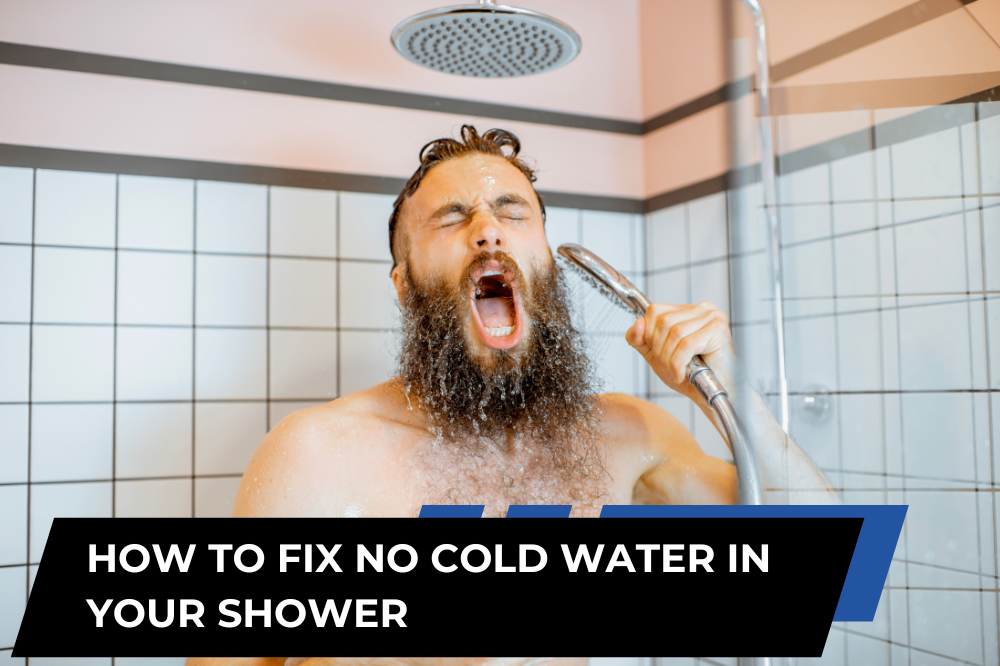
If you’re searching for answers about no cold water in shower problems, you may be dealing with an uncomfortable and potentially unsafe situation.
You turn the handle toward cold, yet hot water continues to flow, or the temperature barely changes no matter how carefully you adjust it.
Fortunately, the cause is often limited to the shower fixture rather than your entire home’s plumbing system.
The key is to check a few simple things before assuming that a major repair is needed. For example, testing other taps can help you determine whether the issue affects one shower or several fixtures.
From there, you can understand the likely causes, recognize what is safe to check yourself, and know when to call a plumber.
What Causes a Shower to Have No Cold Water?
A shower mixes hot and cold water through a valve.
If part of that system becomes blocked, worn, incorrectly adjusted, or disconnected from its supply, the water may not reach the temperature you expect.
Common causes include:
- A worn, damaged, or clogged shower cartridge.
- A malfunctioning mixing valve or pressure-balancing mechanism.
- Debris restricting the cold-water inlet.
- A closed or partially closed supply shutoff.
- Incorrect installation or adjustment after plumbing work.
However, the right fix depends on the type of shower valve and the symptoms you notice.
Before investigating individual parts, first check whether cold water works elsewhere in your home.
First, Check Whether the Problem Is Limited to One Shower
If the Sink Has Cold Water but the Shower Does Not
Run the cold tap at a nearby bathroom sink, then check another fixture if necessary.
If those taps provide normal cold water but the shower does not, the problem is more likely to be within the shower valve, cartridge, or local supply connection.
This simple check helps narrow the possibilities. However, it does not identify the exact failed component, so avoid ordering parts before confirming the valve model and cause.
If Several Fixtures Have No Cold Water
If multiple taps have lost their cold-water supply, the problem may be broader than one shower.
A shutoff valve may be closed, plumbing work may have affected the supply, or there may be an issue elsewhere in the building’s plumbing.
If you live in a condo or multi-unit property, contact building management if the problem affects more than your unit or appears to involve a shared supply.
Similarly, if you own a detached home and several fixtures are affected, a plumber can help trace the problem safely.
If the Problem Started After Plumbing Work
Think about when you first noticed the change. If it began after a bathroom renovation, faucet replacement, or plumbing repair, a shutoff may not have been reopened fully, debris may have entered the valve, or a component may have been installed incorrectly.
Therefore, tell your plumber what work was done and when the symptoms started. That history can make diagnosis faster.
Five Common Causes and How They Affect Your Shower
1. A Faulty or Clogged Shower Cartridge
The cartridge is an internal component that helps control water flow and temperature as you move the shower handle.
Over time, seals can wear, parts can stick, and debris or mineral deposits can interfere with normal operation.
A faulty cartridge may cause the temperature to fluctuate, make the handle less effective, or prevent hot and cold water from mixing properly.
In some cases, replacing the cartridge restores normal operation. However, the replacement must match the valve’s make and model; cartridges that look similar are not always interchangeable.
2. A Malfunctioning Mixing Valve
The mixing valve controls how hot and cold water combine before reaching the showerhead.
Some valves also use a pressure-balancing mechanism to help reduce sudden temperature changes when water pressure shifts elsewhere in the home.
If the mechanism sticks or becomes damaged, the valve may not regulate temperature correctly.
Depending on the design, a plumber may be able to service a replaceable internal component. If the valve body itself is damaged, a more involved repair may be required.
3. A Blocked Cold-Water Inlet
Debris, sediment, or mineral buildup can sometimes restrict a narrow inlet or internal passage.
As a result, the amount of cold water entering the valve may decrease, even when other fixtures work normally.
The source of the restriction is not always visible from outside the shower.
A plumber can inspect the relevant components and determine whether cleaning or replacement is appropriate for that specific valve.
4. A Closed or Partially Closed Supply Shutoff
Some plumbing arrangements include local shutoff valves that isolate a fixture or supply line.
If a shutoff is closed or not fully open after maintenance, it can restrict water flow to the shower.
This is especially worth considering if the problem began immediately after repairs.
However, do not remove wall panels or reach into concealed plumbing to search for a valve.
If you cannot identify an accessible shutoff with confidence, ask a plumber to check it.
5. Incorrect Installation or Temperature Adjustment
A recently installed shower valve or replacement cartridge may not be fitted or adjusted correctly.
In some installations, hot and cold connections can be reversed, or a temperature-limit stop may need proper adjustment according to the manufacturer’s instructions.
If the problem appeared right after a repair or renovation, avoid repeatedly changing settings or forcing the handle.
Instead, have the installation checked so the shower can control temperature safely.
What Can You Safely Check Before Calling a Plumber?
A few observations can help you describe the issue clearly without taking the shower apart.
1. Test other taps. Check whether cold water flows normally from the bathroom sink and kitchen faucet.
2. Notice the temperature response. Move the handle gently through its normal range and observe whether the water temperature changes. Stop if the water becomes dangerously hot.
3. Look for visible changes. Check for leaks around accessible fittings or damage to the handle and trim. Do not remove the valve cover or internal components just to investigate.
4. Recall recent work. Make a note of any plumbing service, renovation, or cartridge replacement that happened before the problem began.
5. Share the valve details. If you know the faucet brand or model, keep that information available for the plumber.
Most importantly, do not keep testing a shower that delivers scalding water.
Also, do not remove a cartridge or open a valve unless the water supply has been safely shut off and you understand the manufacturer’s procedure.
Incorrect disassembly can cause leaks, damage the valve, or create a flooding risk.
How Do Plumbers Fix the Problem?
The repair depends on what is preventing cold water from reaching or mixing inside the shower.
Inspecting the Supply and Valve
A plumber will usually begin by confirming whether cold water reaches the shower valve and checking the valve type.
They may inspect accessible shutoffs, connections, and internal parts to find restrictions or damage.
Cleaning or Replacing the Cartridge
If the cartridge is obstructed or worn, the plumber may clean it where the manufacturer permits or replace it with a compatible part.
Ultimately, the correct choice depends on the cartridge’s condition and the valve design.
Repairing or Replacing the Mixing Valve
If the valve’s internal mechanism or body has failed, a repair or replacement may be necessary.
The amount of work depends on how the valve is installed and whether it can be accessed from the bathroom or another area.
Testing the Shower
After the repair, the plumber should check for leaks and confirm that the shower responds properly when the temperature handle is adjusted.
This final test helps ensure that the issue has been addressed rather than temporarily masked.
Fortunately, not every problem requires a full valve replacement. A proper diagnosis helps avoid unnecessary work and identifies the repair that best suits the fixture.
How Much Does It Cost to Fix a Shower With No Cold Water?
The cost depends on the cause, the valve model, the parts required, and how easily the plumbing can be accessed.
A cartridge replacement may be relatively straightforward when the correct part is available.
By comparison, replacing a damaged valve body can take more time, especially if wall access or additional repairs are needed.
Before approving the work, ask the plumber to explain the likely cause, the recommended repair, and any factors that could change the estimate.
If the valve is an older or less common model, parts availability may also affect timing and cost.
Ultimately, an inspection is the best way to get a useful estimate because the same symptom can have several different causes.
When Should You Call a Plumber?
Arrange professional help if the shower continues to deliver hot water regardless of the handle position, if the temperature cannot be controlled safely, or if the problem persists after basic checks.
You should also seek help when several fixtures lose cold water, when you notice leaks, or when the issue starts after plumbing work and does not resolve.
Most importantly, stop using a shower that delivers dangerously hot water. Uncontrolled temperatures can cause scalding, particularly for children, older adults, and anyone who may have difficulty reacting quickly.
A plumber can identify whether the issue lies with the supply, cartridge, or mixing valve and recommend a suitable repair.
Frequently Asked Questions
Why Is There No Cold Water in My Shower but the Sink Works?
When the sink has normal cold water but the shower does not, the issue is often localized to the shower valve, cartridge, or cold-water inlet.
Testing other fixtures is a helpful first step, but a plumber may need to inspect the valve to confirm the cause.
Can a Faulty Shower Cartridge Stop Cold Water?
Yes. A worn, stuck, or obstructed cartridge can interfere with how the valve controls water flow and temperature.
However, other faults can cause similar symptoms, so confirm the valve model and diagnose the issue before replacing parts.
Is the Water Heater Responsible?
Usually, a water heater is not the first place to look when cold water is missing from the shower.
If other taps still provide cold water, the shower’s valve or local supply is a more likely starting point.
However, if hot-water performance is also abnormal throughout the home, the diagnosis may be different.
Can I Fix the Shower Myself?
You can safely check other taps, note how the handle behaves, and look for visible leaks.
Internal valve repairs are more complicated because the water must be isolated correctly and the replacement parts must match.
If you are unsure, professional diagnosis can prevent leaks or further damage.
How Long Does the Repair Take?
Timing depends on the fault, valve accessibility, and whether the correct replacement part is available.
A straightforward cartridge replacement may take less time than replacing a concealed valve or repairing damaged plumbing.
A plumber can provide a more accurate estimate after inspection.
Can I Keep Using the Shower?
Avoid using it if you cannot control the temperature or the water is dangerously hot.
Continuing to test it can expose you or someone in your household to scalding.
Therefore, have the problem assessed before using the shower again.
Shower Repair Services with True Service Plumbing
When your shower will not deliver cold water or the temperature will not adjust properly, True Service Plumbing is ready to help homeowners and businesses across Toronto and the GTA.
Our team can investigate potential valve, cartridge, and water-supply issues and recommend the right next step.
Do not let an unreliable shower disrupt your routine or put your household at risk.
Contact True Service Plumbing today for information or assistance with your shower plumbing.
Leave the wet stuff to us!