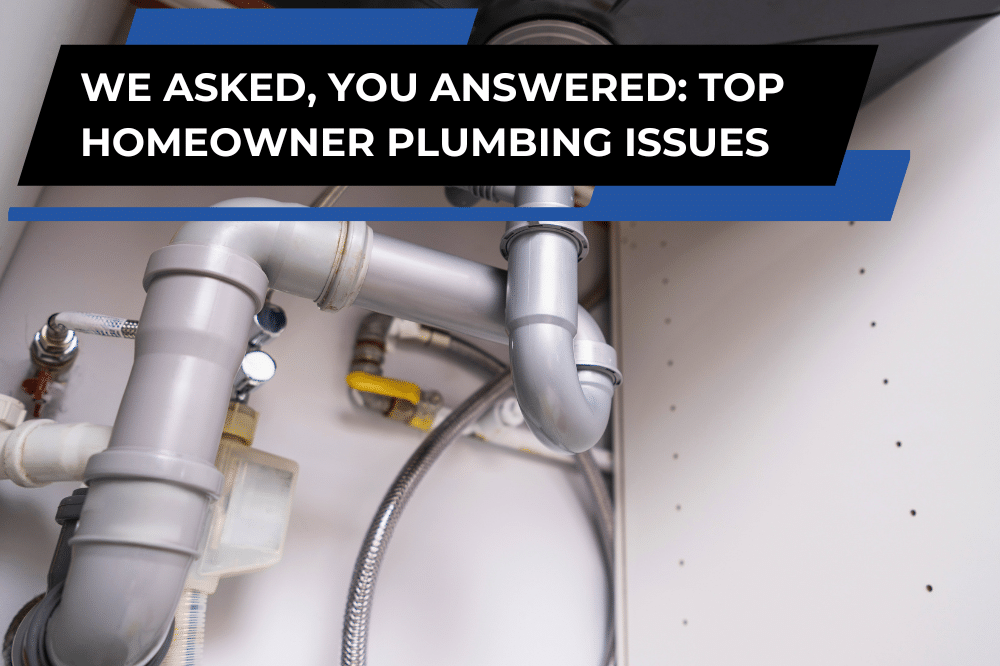
Common plumbing issues often begin with something easy to dismiss: a dripping tap, a slow shower drain, or a toilet that runs after flushing.
However, knowing what these symptoms mean can help you act before a small repair becomes a bigger disruption.
You do not need to understand every pipe behind your walls. Instead, focus on spotting changes, knowing where to shut off the water, and recognizing when professional help makes sense.
This guide explains what to watch for, what you can check safely, and how to protect your home.
How to Recognize Trouble Early
Your plumbing usually gives you clues when something changes.
For example, a damp cabinet or a recurring drain blockage deserves attention even when the fixture still works.
Watch for:
- Unexpected increases in water use.
- Water stains on ceilings or walls.
- Damp flooring near fixtures or appliances.
- Weak flow from taps or showerheads.
- Recurring clogs, gurgling sounds, or drain odours.
- Changes in hot water supply.
However, a symptom does not identify the cause by itself.
A slow sink might have debris near the drain opening, while several slow fixtures could indicate a blockage farther downstream.
Therefore, note where the symptom appears, when it started, and whether other fixtures behave differently.
Eight Problems Homeowners Often Encounter
The following common plumbing issues affect different parts of your home.
Although some allow simple checks, persistent symptoms call for a closer investigation.
1. Dripping Faucets and Leaking Fixtures
A dripping faucet can waste water long after you leave the room. Often, the cause involves a worn cartridge, washer, or seal.
However, moisture around the faucet base may come from a different connection. Before buying parts, dry the area and observe where water reappears.
You can also check the cabinet beneath the sink for damp supply hoses or fittings. If you plan a repair, shut off the appropriate water supply first.
Avoid forcing a stiff shutoff valve or overtightening connections. Instead, contact a plumber when the source remains unclear or the valve will not operate.
2. Slow or Clogged Drains
Kitchen drains collect grease and food debris. Meanwhile, bathroom drains can accumulate hair and soap residue.
Start by checking an accessible strainer or stopper for visible buildup.
For a minor blockage, an appropriate plunger may help, provided no chemical drain cleaner has been added.
Never mix drain chemicals or plunge a drain containing them. Additionally, tell your plumber about any products already used.
If the clog returns repeatedly, clearing the opening may leave the underlying cause unresolved.
Likewise, several affected drains suggest the problem extends beyond one fixture.
3. Running, Clogged, or Leaking Toilets
A toilet can waste water without leaving a puddle. For example, water may escape from the tank into the bowl through a worn flush valve seal.
To check, place a few drops of food colouring in the tank and wait ten minutes without flushing.
If colour appears in the bowl, investigate a tank leak. Afterwards, flush promptly to reduce staining.
Meanwhile, water around the base needs a different inspection. Possible sources include the supply connection, tank hardware, condensation, or the toilet seal.
If the bowl rises toward the rim, stop flushing. Shut off the toilet supply if safe, and arrange help when the blockage or leak persists.
4. Low Water Pressure
First, compare several fixtures. If one tap has weak flow, its aerator or internal components may need attention.
However, weak flow throughout the house points toward a broader issue. Possible causes include a valve problem, restricted piping, a leak, or a change in municipal supply.
Also, compare hot and cold water. A problem affecting only hot water can help narrow the investigation.
If pressure drops suddenly, check for visible leakage and ask whether nearby homes are affected. Then, contact a plumber or your water utility as appropriate.
Avoid adjusting a pressure regulator without understanding the existing pressure and system requirements.
5. Leaking Pipes and Hidden Water Leaks
Some leaks announce themselves with visible drips. Others appear as peeling paint, swollen cabinetry, or a persistent damp smell.
Begin with accessible areas beneath sinks, around toilets, and near appliance connections. However, remember that water can travel before it becomes visible.
Condensation can also wet cold pipes. Therefore, drying the pipe and observing when moisture returns may offer clues, although it cannot rule out a leak.
For active leakage, isolate the affected fixture if possible. Otherwise, use the main shutoff when appropriate and safe.
Arrange professional help for concealed leaks, damaged piping, or water that continues spreading.
6. Water Heater Trouble
Insufficient hot water, changing temperatures, unusual noises, and visible leakage can have several causes.
For instance, increased household demand differs from a failed heating component.
Start by noting when the problem occurs. Does hot water run out during back-to-back showers, or has the supply changed despite normal use?
Also, check whether every fixture has the same symptom. If only one shower is affected, its mixing valve may need investigation.
Leave electrical, gas, and internal component repairs to qualified professionals. In addition, never cap a leaking temperature and pressure relief valve or its discharge pipe.
A plumber can assess whether repair or replacement makes practical sense.
7. Sewer Backups and Recurring Blockages
When several fixtures drain poorly or wastewater returns through a floor drain, stop using the affected plumbing.
These symptoms can indicate a blockage in a shared drain or sewer line. However, inspection is needed to identify the location and cause.
Keep people and pets away from sewage. Also, avoid running laundry or repeatedly flushing toilets to test the system.
Depending on the situation, a plumber may recommend drain cleaning and a camera inspection.
This can help distinguish an obstruction from roots, damaged pipe, or another defect.
Importantly, shutting off the water supply does not stop sewage entering from a municipal sewer backup.
8. Frozen Pipes
Toronto and GTA winters can expose vulnerable piping to freezing temperatures. Pipes near exterior walls or in unheated areas deserve particular attention.
If a faucet suddenly produces little or no water during cold weather, freezing is one possibility. However, confirm whether the problem affects one fixture or the whole home.
Never use a torch or open flame to thaw a pipe. Instead, contact a plumber when piping is inaccessible, appears damaged, or cannot be thawed safely.
If a pipe bursts, shut off the water when safe. Afterwards, have the damage assessed before restoring normal use.
Which Situations Need Immediate Attention?
Some situations become urgent because water or wastewater can spread quickly.
Seek prompt help for:
- A burst pipe or uncontrolled leak.
- Sewage entering the home.
- An overflowing toilet that you cannot control.
- Water reaching electrical equipment or outlets.
- A significant leak from a water heater.
First, keep clear of electrical hazards. Do not enter standing water to reach an electrical panel or shutoff valve.
Next, stop using affected fixtures. If safe and appropriate, close the relevant water valve or main supply.
Then, contact emergency plumbing assistance. For sewage backups, remember that reducing water use helps limit your contribution, but professional assessment is still necessary.
What Can You Check Yourself?
Useful homeowner checks are simple and accessible. For example, you can inspect exposed connections, clear a removable strainer, and document when symptoms occur.
You can also:
- Identify which fixtures are affected.
- Photograph visible leaks or staining.
- Check whether symptoms involve hot water, cold water, or both.
- Locate shutoff valves before an emergency.
- Review recent changes in water use.
However, stop when a task requires forcing components, opening walls, or working on unfamiliar equipment.
Call a plumber when the same problem returns, several fixtures are affected, or the source remains uncertain.
Likewise, visible pipe deterioration and concealed leakage warrant professional investigation.
How to Reduce Future Repairs
Prevention works best when it becomes part of your routine. Fortunately, many useful habits take little time.
Keep Unsuitable Waste Out of Drains
Collect cooking grease for proper disposal instead of pouring it into the sink. Similarly, scrape food scraps into the appropriate waste container.
Use strainers to catch hair and debris. Then, empty them regularly.
For toilets, stick to human waste and toilet paper. Avoid flushing wipes, hygiene products, cotton pads, or paper towels.
Inspect Accessible Areas Regularly
Look beneath sinks and around appliance hoses for moisture, staining, or deterioration. Also, check toilet bases and exposed pipe connections.
Water leak detectors can provide an early alert near appliances and other vulnerable locations. However, they supplement regular checks and repairs.
Keep shutoff valves accessible, and ask a plumber about any valve that feels seized or shows corrosion.
Prepare for Seasonal Changes
Before freezing weather, disconnect outdoor hoses and winterize outdoor plumbing according to its design.
Additionally, address cold drafts near vulnerable pipes and maintain suitable indoor heat. Pipe insulation can help, but it does not guarantee protection during prolonged cold.
If your home has a sump pump, follow its maintenance instructions and check operation before periods of heavy rainfall.
Likewise, arrange appropriate maintenance for an installed backwater valve so it can operate as intended.
What to Expect When You Contact a Plumber
A clear description helps your plumber prepare. Explain what happened, which fixtures are affected, and whether water is actively escaping.
Also, mention previous repairs, recurring symptoms, and any drain chemicals used.
Before approving work, ask what the estimate includes:
- Inspection and diagnostic charges.
- Labour and materials.
- Access or restoration work.
- Any exclusions or potential additional costs.
If both repair and replacement are reasonable options, ask how each addresses the cause.
This helps you compare the scope and expected outcome.
Questions Homeowners Often Ask
Where Is the Main Water Shutoff?
In many homes, it sits near where the water service enters through the foundation, often in the basement.
However, layouts vary. Locate yours in advance and ask for help if you cannot identify it confidently.
How Can I Check for a Hidden Leak?
Turn off water use, including appliances and automatic systems. Then, compare water meter readings over a period when nothing should be drawing water.
If the reading changes, investigate further. However, this check does not pinpoint the source or detect every intermittent leak.
Who Repairs Water and Sewer Service Lines?
Responsibility depends on the location, ownership boundary, and municipal rules.
Therefore, confirm the details with your municipality and plumber before authorizing excavation or service line work.
How Often Should Plumbing Be Inspected?
Inspection needs depend on your home’s age, pipe condition, equipment, and repair history.
Instead of relying on one universal interval, follow equipment maintenance instructions and ask your plumber for a schedule suited to your property.
Plumbing Repairs and Preventative Maintenance With True Service Plumbing
Understanding common plumbing issues helps you recognize warning signs and take the next step.
However, recurring clogs, hidden leaks, and urgent backups deserve professional attention.
True Service Plumbing provides residential and commercial plumbing services throughout Toronto and the surrounding GTA.
Whether you need drain cleaning, leak repairs, preventative maintenance, or emergency assistance, contact our team to discuss your concerns.
Dealing with a stubborn clog, dripping fixture, or unexplained change in water pressure? Reach out to True Service Plumbing for further information or to arrange service.
Quality Care, Quality Service — Just leave the wet stuff to us!