A pressure relief valve leaking on your water heater can be worrying, especially when you find water pooling near the tank.
In some cases, the valve may be doing its job by releasing excess pressure or temperature; in others, it may have a fault that needs attention.
Either way, do not assume the valve itself is the only problem.
First, this guide explains how the safety valve works, what can cause water to escape, which warning signs matter most, and what to do next.
By understanding the likely causes, you can give a plumber useful information and help prevent repeat leaks or water damage.
What Does the Valve Do?
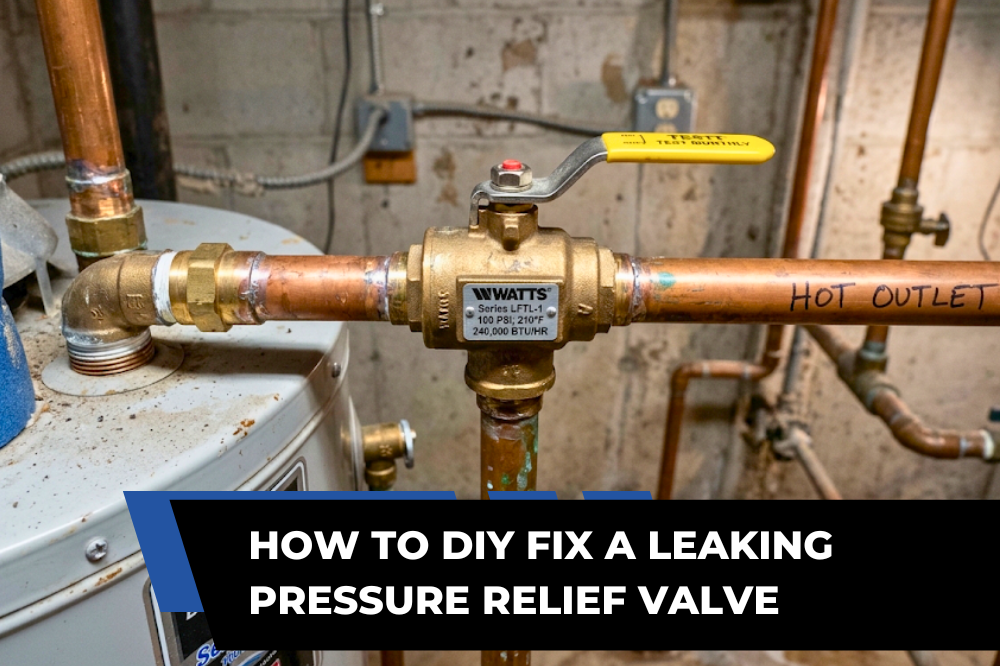
Typically, storage water heaters have a temperature and pressure relief valve, often called a T&P valve.
It is a safety device designed to open when water temperature or pressure reaches the valve’s specified limit.
It then releases water to help protect the tank from dangerous conditions.
Where Can You Find It?
In most cases, the valve is installed near the top or on the side of a storage water heater.
A discharge pipe carries released water away from the tank and toward an approved drain or safe location.
Because the water can be extremely hot, never put your hand near the outlet to check whether it is leaking.
Is It the Same as a Pressure-Reducing Valve?
By contrast, a temperature and pressure relief valve protects the water heater.
A pressure-reducing valve, commonly called a PRV, regulates the incoming water pressure to the home.
The two devices serve different purposes, although a problem with household water pressure can affect how often the safety valve discharges.
Is Occasional Dripping Normal?
For instance, water may discharge when the valve responds to pressure or temperature that has reached its set limit.
For example, heating water causes it to expand. In some plumbing systems, that expansion can temporarily raise pressure enough to trigger the valve.
However, recurring drips or a steady stream should not be dismissed as normal. A safety valve is not intended to serve as a routine outlet for ongoing thermal expansion.
If you notice water repeatedly coming from the discharge pipe, arrange an inspection to identify the cause.
It also matters where the water appears. Water coming from the discharge pipe may mean the valve is opening.
Moisture around the valve’s threaded connection, nearby fittings, or the tank itself may point to a different leak.
Therefore, water on the floor does not automatically mean the safety valve is at fault; observe the area without touching hot or electrical components.
Common Causes of a Leak
In fact, several issues can make the valve release water. The right repair depends on finding the cause rather than replacing parts at random.
1. Excessive Water Pressure
If incoming water pressure is too high, the valve may discharge to protect the tank.
A pressure-reducing valve that is missing, incorrectly adjusted, or no longer working properly can contribute to this problem.
A plumber can measure the home’s water pressure and compare the result with the plumbing system and appliance requirements.
2. Thermal Expansion
Water expands as it heats. In a closed plumbing system, a backflow preventer, check valve, or pressure regulator may prevent that expanded water from pushing back toward the municipal supply.
As a result, pressure can build inside the home’s plumbing.
In addition, a properly selected and maintained thermal expansion tank can absorb some of that expansion where the system requires one.
If the tank is missing, waterlogged, or not functioning correctly, the pressure may rise during a heating cycle and cause discharge.
This is one reason the timing of the leak can help a plumber diagnose the issue.
This explanation is consistent with water heater manufacturer troubleshooting guidance.
3. A Worn or Damaged Valve
Mineral deposits, corrosion, wear, or debris around the sealing surface can stop the valve from closing completely.
In that case, it may continue to drip even after the original pressure condition has passed.
For this reason, a qualified plumber should determine whether the component needs replacement and ensure the replacement matches the water heater’s requirements.
4. Excessive Water Temperature
The valve also responds to excessive temperature. A faulty thermostat, heating control, or other water-heater problem can allow water to become dangerously hot.
A large release of hot water or steam must be treated seriously. Keep clear of the discharge, avoid touching the heater, and seek urgent professional help.
5. A Loose Connection or Another Leak Nearby
Meanwhile, water may appear to come from the valve when it is actually escaping around a threaded connection or running down from another fitting.
A drain valve, inlet connection, outlet connection, or the tank itself may also be responsible.
A professional inspection can help distinguish these possibilities before any parts are replaced.
Warning Signs You Should Not Ignore
To start, pay attention to the amount of water, when it appears, and whether other symptoms are present.
Contact a licensed plumber when you notice:
- Dripping that continues or returns regularly.
- Water discharging during most heating cycles.
- A sudden increase in the amount of water coming from the discharge pipe.
- Unusually hot water, steam, or signs that the heater is overheating.
- Water pooling around the base of the heater or near electrical components.
- Corrosion, visible damage, or moisture around fittings.
Even so, a small drip can point to a pressure or expansion problem, while a sudden discharge of very hot water can signal a more urgent fault.
If you see steam or a heavy flow of hot water, stay away from the outlet and arrange urgent service.
Safely follow the manufacturer’s shutdown instructions; otherwise, do not approach or handle the equipment.
If water is near electrical equipment, avoid touching it or standing in the water.
What Should You Do Next?
Fortunately, you do not need to dismantle the water heater to help narrow down the problem.
Instead, take these safer steps:
1. First, look from a safe distance. Note whether water appears to come from the discharge pipe or from another connection. Do not touch the outlet or try to stop the flow with your hand.
2. Next, notice when it happens. Record whether the leak occurs while the heater is warming water, after heavy hot-water use, or continuously throughout the day.
3. Additionally, check for recent changes. Let the plumber know if work was recently done on the plumbing, a pressure regulator was changed, or a backflow device was installed.
4. Finally, arrange an assessment. A plumber can check supply pressure, thermal expansion, the valve and its connection, and the water heater’s temperature controls.
Above all, do not cap, plug, clamp, or block the valve or its discharge pipe. Do not remove the valve or repeatedly operate its test lever to investigate a leak.
The water may be scalding, and disabling the safety device can create a serious hazard. The discharge pipe must remain configured in accordance with the applicable code and manufacturer’s instructions.
How Is the Problem Repaired?
Ultimately, the repair depends on what the inspection finds. For example, if the home’s water pressure is too high, the plumber may need to address the pressure-reducing valve.
If heating-related expansion is causing pressure to rise, the system may need a correctly sized and functioning thermal expansion tank, where required.
Should the safety valve no longer seal properly, a plumber may replace it with a compatible, correctly rated component.
If the water heater is overheating, the thermostat or another control may need attention before the appliance is returned to service.
Likewise, a leak from the tank itself may require a different solution.
Therefore, replacing the valve without correcting the underlying problem can lead to more discharge or another failed component.
For that reason, diagnosis should come before a replacement recommendation. In Ontario, the Ontario Building Code sets requirements for relief-valve discharge piping, including its route and outlet.
Therefore, repairs should comply with the applicable code and the equipment manufacturer’s instructions.
How Much Does a Repair Cost?
Generally, the price depends on the source of the leak and the work required.
A straightforward valve replacement may cost less than a repair involving a pressure regulator, expansion tank, thermostat, or damaged water heater.
Labour, parts, access, and the need for additional testing can also affect the final bill.
In addition, ask the plumber to explain the suspected cause, the proposed repair, and whether the quote includes labour and parts before approving the work.
If more than one component may be involved, request an itemized estimate. A clear diagnosis can help avoid paying for a replacement that does not solve the problem.
How Can You Help Prevent Future Problems?
Fortunately, although no component lasts forever, routine attention can help catch trouble early.
- Have household water pressure checked when you suspect it is too high or when a pressure-related problem keeps returning.
- Ask whether your plumbing system needs a thermal expansion tank and whether an existing tank is working properly.
- Follow the water heater manufacturer’s maintenance instructions and arrange professional service when symptoms appear.
- Look for unexplained moisture around the tank and nearby fittings, but do not touch hot discharge or electrical components.
- Investigate recurring drips instead of treating them as harmless or repeatedly replacing parts without checking the cause.
Most importantly, never disable the safety valve to prevent water from escaping. The discharge is a warning that deserves attention, not a problem to conceal.
Frequently Asked Questions
Can I Keep Using the Water Heater?
Ultimately, that depends on what is causing the leak and how severe it is. Do not ignore persistent discharge.
If the heater releases a large amount of hot water or steam, or appears to be overheating, stay clear and seek urgent professional help.
Follow the manufacturer’s shutdown instructions only if you can do so safely.
Does a Dripping Valve Always Need to Be Replaced?
Not necessarily. The valve may be worn or unable to seal; however, excessive supply pressure or thermal expansion can also cause discharge.
A plumber should identify the underlying reason before recommending a replacement.
Can High Water Pressure Cause the Problem?
Yes. For this reason, excessive incoming pressure can contribute to discharge.
A professional can measure household pressure and check the pressure regulator and other relevant components.
Can I Replace the Component Myself?
This is a safety-critical part of the water heater. Incorrect selection or installation can create serious risks, and the water may be extremely hot.
Professional assessment and replacement are the safer option.
How Long Does the Repair Take?
In general, timing varies. A straightforward replacement may be relatively quick, while identifying a pressure, expansion, or temperature-control problem can require additional checks and repairs.
Your plumber can provide a more accurate estimate after assessing the system.
Pressure Relief Valve Leaking? Contact True Service Plumbing
A persistent leak can signal more than a worn component. Therefore, have the cause checked before the issue leads to unnecessary water waste or damage.
True Service Plumbing provides residential and commercial plumbing services in Toronto and the surrounding GTA.
Whether you have a dripping water heater safety valve, suspect excessive water pressure, or need help assessing a plumbing concern, our team can explain the issue and the next steps.
Contact True Service Plumbing today for further information or assistance with your plumbing needs.
We’re here to help keep your plumbing system operating safely and reliably.